
SPOILER ALERT!
Obtain The Pipes Guidance To Assist You
Written by-Andresen Urquhart
If you are a first time homeowner or maybe someone who has just moved out of Mom and Dad's humble abode, you may not know a lick about plumbing, but there are certain things that you should know. This article will discuss some of them, and you will be more knowledgeable after reading the tips below.
Before starting any plumbing project be sure to turn off the main water supply. Water damage can be one of the most expensive things to repair. To minimize damage turn the main water supply off as well as any shut off valves near where you are working. This will save a great deal of hardship later on.
If you have noisy pipes, you can cushion them with a rubber blanket or add additional anchor straps. Banging pipes are usually caused by loose pipes, water hammering to a stop as you turn it off, or hot water pipes shifting in their position. All of these problems can be solved by cushioning and anchoring the pipes.
Maintain smooth functioning of the drain in your bathtub by dropping baking soda and then vinegar down it on a monthly basis. Cover the drain with a plug or rag as you wait for the chemical reaction between the vinegar and baking soda to happen in your pipes. Allow some time to pass, then follow up by pouring down boiling hot water. Doing this will clear your pipes of any soap scum or hair that has accumulated.
Group all of your plumbing repairs before scheduling a plumber to come out. Check all of your fixtures and faucets. If anything is dripping, running or clogged, make a list for the plumber. https://www.evernote.com/pub/franklindalton002/franklindalton , when the plumber comes, they can do all of the jobs in one visit. This will cut down on charges.
DIY plumbing jobs will require that you understand how to solder copper for the lines for the water supply. You can practice this skill so that you will be able to run your lines without worrying about it leaking. hop over to this web-site for video tutorials that can help you get a handle on how to go about soldering.
Frozen and bursting pipes from harsh winter weather is a problem that no-one wants, so plan now to winterize your exterior faucets and pipes against freezing conditions. A simple way to accomplish this is to find the exterior water shut-off valve located inside your home (often located in the basement). Turn off the water valve to stop water flow, and then open up the outside faucets to drain out any water that has collected. Be sure to turn off the outside water faucets tightly after the water has drained out. Take in any hoses you may have outside so they don't crack from the cold weather.
In cold climate areas, sometimes the pipes in the plumbing system freeze. You can thaw them out without calling a plumber. Before beginning this process, open the faucet and begin thawing closest to the faucet and then move down the line as sections thaw out. One method you can use is to wrap the pipe with a heavy towel or burlap and then pour hot water over it, set a bucket underneath to catch the water.
Check to make sure that the walls behind the tiles in your bathroom are not soft. Push into the tiles to confirm that the foundation is firm and robust. If the area is delicate and brittle, there is a good chance that water has created damage behind the tiles over time.
Have a specific plumber in mind before you have an emergency. Most people don't think about plumbers until they find themselves having a big problem that needs to be fixed right away. Instead, choose a plumber who you are comfortable with and whose experience you trust--way before you actually need his services.
Consult your Department of Consumer Affair if you're looking to hire a plumbing contractor. By doing this you can see if they have any problems with their license and heck on reviews about the quality of their work. Their license must be current and in good standing, otherwise you do not want them in your home.
Take the time to ensure that everyone in your family knows how to cut off the water from the valve in your home. There will be a water meter there or nearby. Additionally, certain fixtures in your home, including sinks and toilets, may have individual cut-off valves. Everyone in your household should know where cut-off valves are located and how to turn them off in the event of an emergency.
Do not pour grease and oil down your drains. Cooking grease will build up in your pipes and could cause back-ups. Keep grease and oil in a container in your fridge and throw it in the trash when it is full. Avoid clogging your pipes with any products containing oil or grease.
Know where the location of the main water-valve is on your property. You'll find a water meter right on it or near by. Toilets, sinks and other fixtures could have their own valves that cut off. Show every family member where the valves are, and add markings showing how to turn them off in case of emergency.
Keep an eye on your monthly water bill to catch plumbing problems. Has your water bill gone up recently, even though nothing's changed? This could indicate a water leak or appliance problem somewhere inside or outside of your home. Check under sinks for rusted pipes, look for water puddles under outside faucets, and consider having a plumber come out to listen to your pipes to detect running water.
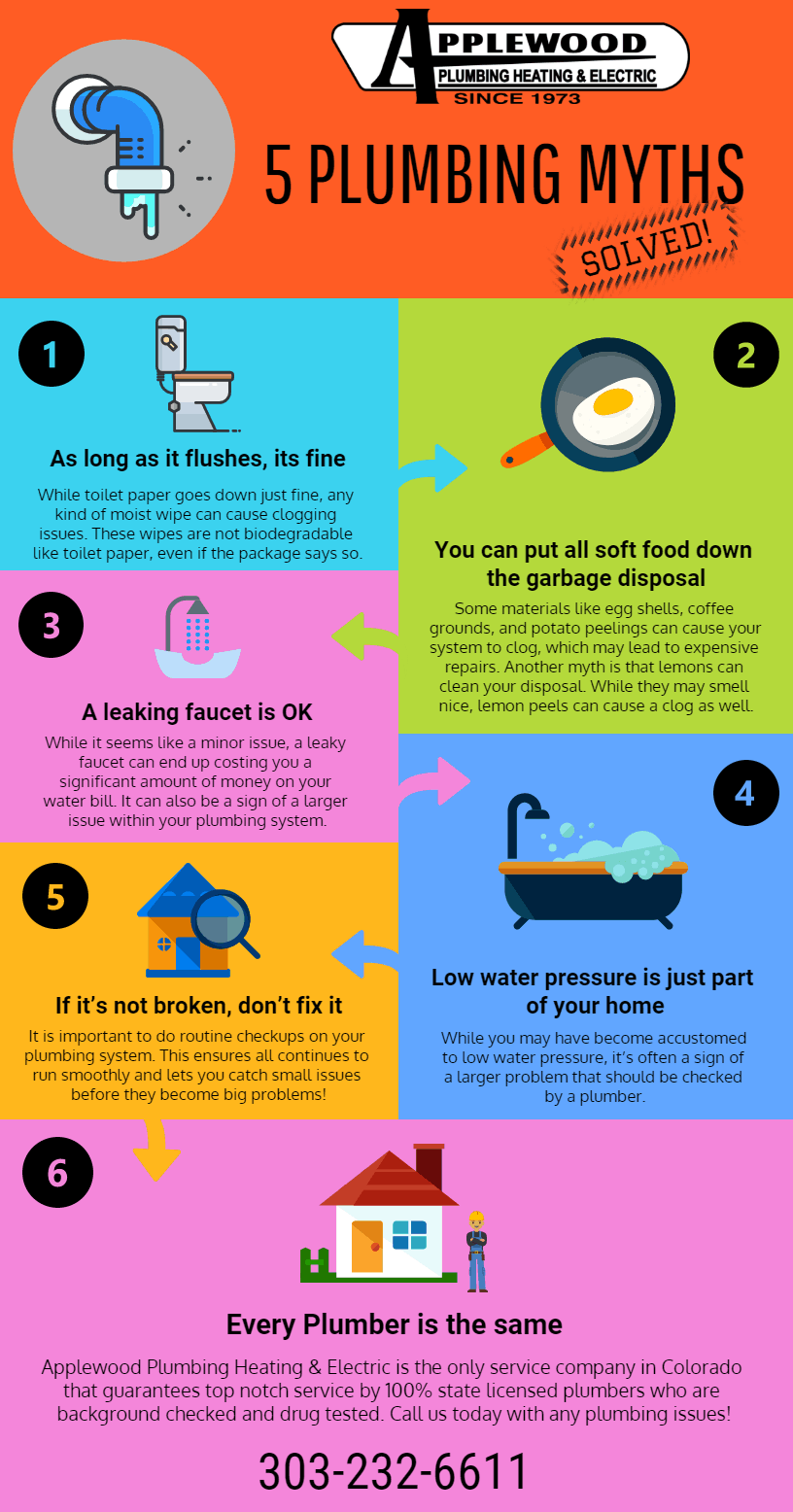
Some items can get stuck on the disposal blades, causing the drain to clog. Don't use the garbage disposal to get rid of stringy items such as banana peels or chicken skin. Be sure to dispose of these hard-to-grind materials first, throwing them in the garbage can, before placing other food in the garbage disposal.
If you have infrequently used drains in your house, you should pour water into them on a regular basis. This water will fill the trap and will prevent odors from entering the house. If you have slow floor drains, you should snake them to ensure they are capable of carrying water away quickly in the event of a flood.
If you have a gas water heater, you should regularly check the pilot light for excessive soot buildup. Excessive soot buildup can cause a clogged flue, which can lead to carbon monoxide leaking into your home. Thus, a regular check up of the pilot light is very important in making sure there isn't a buildup of soot.
Do not shock yourself! Water and electricity do not mix well! If you are working with both electrical and plumbing issues at the same time, then you must avoid crossing them. Beware! The two together can be deadly! When water and electricity are mixed, the risk of getting a shock can be incredibly high, as well as deadly.
In conclusion, you now know how bad it is to put oil or grease down your drain. Even if you already knew that, you now know how important it is to avoid this and many other potential disastrous situations. Hopefully you can start using this advice today and have a well working plumbing system in your house.
If you are a first time homeowner or maybe someone who has just moved out of Mom and Dad's humble abode, you may not know a lick about plumbing, but there are certain things that you should know. This article will discuss some of them, and you will be more knowledgeable after reading the tips below.
Before starting any plumbing project be sure to turn off the main water supply. Water damage can be one of the most expensive things to repair. To minimize damage turn the main water supply off as well as any shut off valves near where you are working. This will save a great deal of hardship later on.
If you have noisy pipes, you can cushion them with a rubber blanket or add additional anchor straps. Banging pipes are usually caused by loose pipes, water hammering to a stop as you turn it off, or hot water pipes shifting in their position. All of these problems can be solved by cushioning and anchoring the pipes.
When Did Indoor Plumbing Became Common In Homes
Maintain smooth functioning of the drain in your bathtub by dropping baking soda and then vinegar down it on a monthly basis. Cover the drain with a plug or rag as you wait for the chemical reaction between the vinegar and baking soda to happen in your pipes. Allow some time to pass, then follow up by pouring down boiling hot water. Doing this will clear your pipes of any soap scum or hair that has accumulated.
Group all of your plumbing repairs before scheduling a plumber to come out. Check all of your fixtures and faucets. If anything is dripping, running or clogged, make a list for the plumber. https://www.evernote.com/pub/franklindalton002/franklindalton , when the plumber comes, they can do all of the jobs in one visit. This will cut down on charges.
Which Of The Following Processes Requires Separate Plumbing
DIY plumbing jobs will require that you understand how to solder copper for the lines for the water supply. You can practice this skill so that you will be able to run your lines without worrying about it leaking. hop over to this web-site for video tutorials that can help you get a handle on how to go about soldering.
Frozen and bursting pipes from harsh winter weather is a problem that no-one wants, so plan now to winterize your exterior faucets and pipes against freezing conditions. A simple way to accomplish this is to find the exterior water shut-off valve located inside your home (often located in the basement). Turn off the water valve to stop water flow, and then open up the outside faucets to drain out any water that has collected. Be sure to turn off the outside water faucets tightly after the water has drained out. Take in any hoses you may have outside so they don't crack from the cold weather.
What Are Plumbing Pipes Made Of
In cold climate areas, sometimes the pipes in the plumbing system freeze. You can thaw them out without calling a plumber. Before beginning this process, open the faucet and begin thawing closest to the faucet and then move down the line as sections thaw out. One method you can use is to wrap the pipe with a heavy towel or burlap and then pour hot water over it, set a bucket underneath to catch the water.
Check to make sure that the walls behind the tiles in your bathroom are not soft. Push into the tiles to confirm that the foundation is firm and robust. If the area is delicate and brittle, there is a good chance that water has created damage behind the tiles over time.
Have a specific plumber in mind before you have an emergency. Most people don't think about plumbers until they find themselves having a big problem that needs to be fixed right away. Instead, choose a plumber who you are comfortable with and whose experience you trust--way before you actually need his services.
Consult your Department of Consumer Affair if you're looking to hire a plumbing contractor. By doing this you can see if they have any problems with their license and heck on reviews about the quality of their work. Their license must be current and in good standing, otherwise you do not want them in your home.
Take the time to ensure that everyone in your family knows how to cut off the water from the valve in your home. There will be a water meter there or nearby. Additionally, certain fixtures in your home, including sinks and toilets, may have individual cut-off valves. Everyone in your household should know where cut-off valves are located and how to turn them off in the event of an emergency.
Do not pour grease and oil down your drains. Cooking grease will build up in your pipes and could cause back-ups. Keep grease and oil in a container in your fridge and throw it in the trash when it is full. Avoid clogging your pipes with any products containing oil or grease.
Know where the location of the main water-valve is on your property. You'll find a water meter right on it or near by. Toilets, sinks and other fixtures could have their own valves that cut off. Show every family member where the valves are, and add markings showing how to turn them off in case of emergency.
Keep an eye on your monthly water bill to catch plumbing problems. Has your water bill gone up recently, even though nothing's changed? This could indicate a water leak or appliance problem somewhere inside or outside of your home. Check under sinks for rusted pipes, look for water puddles under outside faucets, and consider having a plumber come out to listen to your pipes to detect running water.
Some items can get stuck on the disposal blades, causing the drain to clog. Don't use the garbage disposal to get rid of stringy items such as banana peels or chicken skin. Be sure to dispose of these hard-to-grind materials first, throwing them in the garbage can, before placing other food in the garbage disposal.
If you have infrequently used drains in your house, you should pour water into them on a regular basis. This water will fill the trap and will prevent odors from entering the house. If you have slow floor drains, you should snake them to ensure they are capable of carrying water away quickly in the event of a flood.
If you have a gas water heater, you should regularly check the pilot light for excessive soot buildup. Excessive soot buildup can cause a clogged flue, which can lead to carbon monoxide leaking into your home. Thus, a regular check up of the pilot light is very important in making sure there isn't a buildup of soot.
Do not shock yourself! Water and electricity do not mix well! If you are working with both electrical and plumbing issues at the same time, then you must avoid crossing them. Beware! The two together can be deadly! When water and electricity are mixed, the risk of getting a shock can be incredibly high, as well as deadly.
In conclusion, you now know how bad it is to put oil or grease down your drain. Even if you already knew that, you now know how important it is to avoid this and many other potential disastrous situations. Hopefully you can start using this advice today and have a well working plumbing system in your house.
